Why Do I Feel Emotionally Exhausted All the Time?

I’m a big fan of a good stretch and a big yawn, but some types of tiredness are trickier. Sometimes, we’re still exhausted even after a solid night of sleep.
You might wake up shattered and ratty, with small tasks suddenly disproportionately overwhelming. Messages and to-do lists get pushed to the side, and we might find ourselves withdrawing from the people we love and the things that we usually want to do. Sometimes, all we have the energy to do is bunk down on the sofa with the remote in one hand and our phone on do not disturb in the other.
Of course, most of us can’t set up camp on the couch for too long. There are school drop-offs, work demands, relationships to maintain, and, don’t forget, the endless quest for eternal youth we’re constantly encouraged to tend to.
For many people, emotional exhaustion doesn’t look dramatic from the outside.
You might still be fully functioning, going to work, meeting deadlines and looking after other people, but when that message pings in from a pal that recognises your quietness, asking, “how you getting on?”, you might automatically reply, “all good this end - you?” without a second thought. But you know, you’re not okay. You know internally that something is off, and every day feels like a struggle, and as for little glimmers and moments of joy? Well, honestly, what are those?
As a therapist in Beckenham, I often spend time with people who have been coping and pushing through for ages. Holding everything together has become a blood sport that they’re winning with no reward. People who come to therapy have often lost touch with how overwhelmed they really are.
What is Emotional Exhaustion?
Emotional exhaustion is a state of feeling mentally, emotionally and physically drained.
It’s a state that can happen over time, particularly when stress becomes chronic or when your nervous system has been stuck in prolonged alertness. While burnout is often associated with work, emotional burnout can also stem from relationships, caregiving, grief, anxiety, trauma, being someone we’re not, or simply trying to manage too much for too long.
Some common signs of emotional exhaustion include:
Feeling overwhelmed by “small things”
Finding it difficult to mentally switch off
Increased irritability or tearfulness
Feeling emotionally numb
Struggling with motivation
Anxious, racing thoughts and feelings
Wanting to withdraw from other people
Feeling detached from yourself or your relationships
Physical symptoms such as headaches, tension or fatigue
Sometimes people describe it as feeling “flat”. Others say they feel constantly on edge, numb, or like they can never really settle or rest.
Why Am I So Emotionally Exhausted?
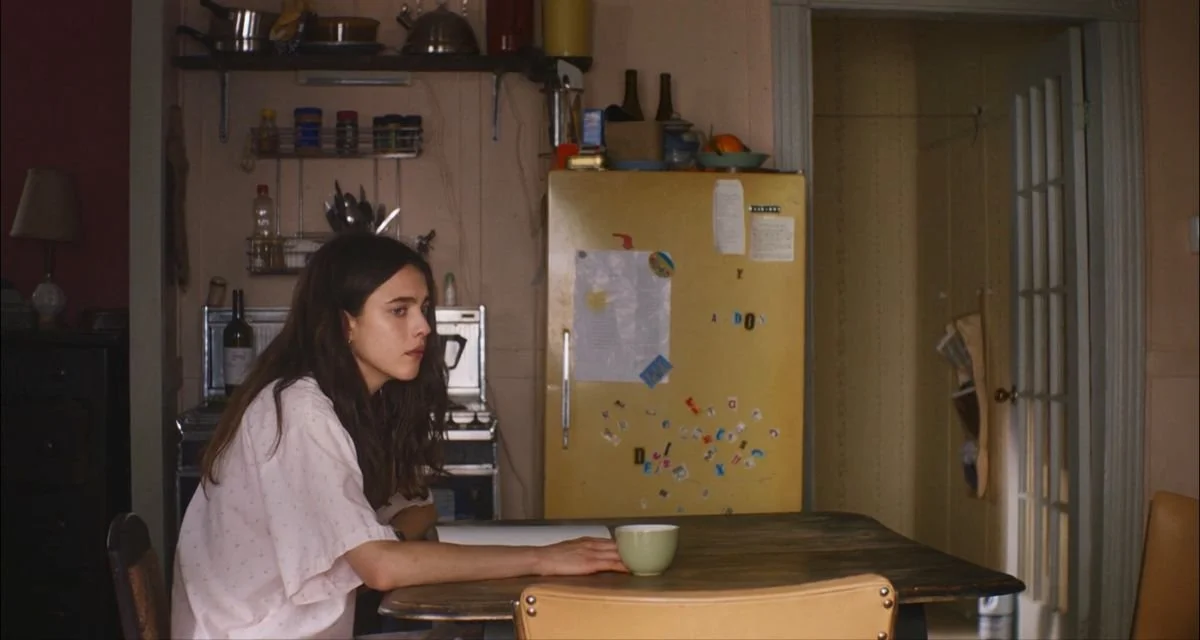
Honestly, there isn’t one clear reason why we might feel this way.
Often, emotional exhaustion can develop when someone has been operating in survival mode for too long. And by that I mean, we’ve just been pushing through, struggling on, trying to meet a finish line that doesn’t exist. We might have become so used to overriding our own needs, managing everybody else’s emotions or staying “so busy” that we never fully stop to recognise and process how we actually feel.
Many people experiencing emotional burnout are actually incredibly capable, thoughtful, and high-functioning to the point that no one sees our struggle. They are often the person that everybody relies on. But, (perhaps annoyingly) we can’t deny the truth, and usually the body and mind begin to signal that something needs attention and functioning in the way we currently do is no longer an option. That’s if a crippling migraine or painful stomachache hasn’t got to us first.
Nervous system jargon is all over social media at the moment, with a regulated nervous system an attribute many are so proud of, they want to stick it on their CV. And I’m not surprised! Feeling present and responding calmly while also acknowledging how we really feel is a seriously impressive thing to be able to do — especially with the endless modern pressures we’re sharing, liking, loathing and collectively living through.
Stress responses such as fight, flight, freeze or fawn are designed to protect us, but remaining in these states long-term can leave the nervous system frazzled and exhausted. Anxiety, unresolved trauma, people-pleasing patterns and emotionally draining environments can all contribute to a sense of depletion that can be hard to shake off.
Sometimes emotional exhaustion is also linked to feeling disconnected from ourselves. Maybe we’ve spent years prioritising productivity over real rest, or functioning so automatically that we are no longer in touch with what genuinely feels good, or what we really need.
Why Rest Doesn’t Always Help
One of the most frustrating parts of emotional exhaustion is that even a long weekend or a mountain of sleep doesn’t really help or solve anything. And that’s because emotional burnout is not always caused by physical tiredness alone. If we’ve been carrying around chronic stress for a long time, it can become difficult to ever fully relax. We might feel wired and tired, on edge, tearful or/and full of rage. Some people feel intensely guilty if they dare to rest, while others might find their thoughts get louder the moment they do slow down.
You might be fully aware you need rest while emotionally feeling unable to stop.
This is where therapy can help. Rather than simply encouraging more “self-care” (although - big fan of that, don’t get me wrong, it’s the performative kind that’s a bit useless), therapy creates space to understand what is driving the exhaustion beneath the surface.
What Therapy Can Help With
Therapy is not about “fixing” you — this isn’t a Coldplay song, and truly, I don’t think you’re broken. Emotional exhaustion is often a very human response to prolonged stress, ignoring our feelings for too long, emotional overload or difficult life experiences, amongst other things. Many people seek burnout therapy when stress, anxiety and emotional overwhelm begin affecting daily life.
A therapeutic space, and building a therapeutic relationship can help us begin to:
Understand stress responses
Explore patterns such as people pleasing and perfectionism
Reconnect with emotions and bodily signals
Develop healthier boundaries
Process anxiety, grief or trauma
Feel less alone in what we’re carrying
Learn how to regulate and navigate the nervous system gently
For most of us, simply having a consistent space where we don’t need to perform, manage or hold everything together can feel wildly and profoundly relieving.
Signs You May Benefit From Support
You don’t need to reach complete burnout before seeking therapy. Many people seek counselling when emotional exhaustion begins affecting relationships, work or physical wellbeing.
You constantly feel overwhelmed
Your anxiety feels difficult to manage
You feel emotionally numb or disconnected
You struggle to relax
Relationships feel increasingly difficult
You feel exhausted all the time
You notice your stress affecting your physical wellbeing
You feel like you are surviving rather than living
Let’s be honest, it can be hard to admit we’re flagging, even if it’s only ourselves we’re admitting that too. But you don’t need to be completely depleted before reaching out. Therapy can be preventative; a tool we can turn to when times are tricky. It can offer us a space to pause, reflect and understand ourselves a bit better before we reach a crisis point.
Final Thoughts
The world can feel quite cruel, overwhelming, and greedy at times, and we live in a culture that often rewards over-functioning and disconnection from ourselves. Many of us keep going at all costs, even when we’re completely emotionally exhausted.
But it’s important to remember that exhaustion is not weakness. Actually, often it can be a jumping-off point into a different way of being. Exhaustion can offer us a lot of useful information if we’re able to tune into what it’s trying to tell us.
If you’re struggling with emotional exhaustion, anxiety or burnout, therapy may offer a space to slow down, feel supported and begin to make sense of what is happening beneath the surface.
I offer in-person therapy for adults in Beckenham, as well as online therapy across the UK. For a limited time, I’m offering a free initial 50-minute session for new clients — because 20-minute intro sessions just aren’t long enough.
Related Support:
Burnout therapy
Counselling in Beckenham
